


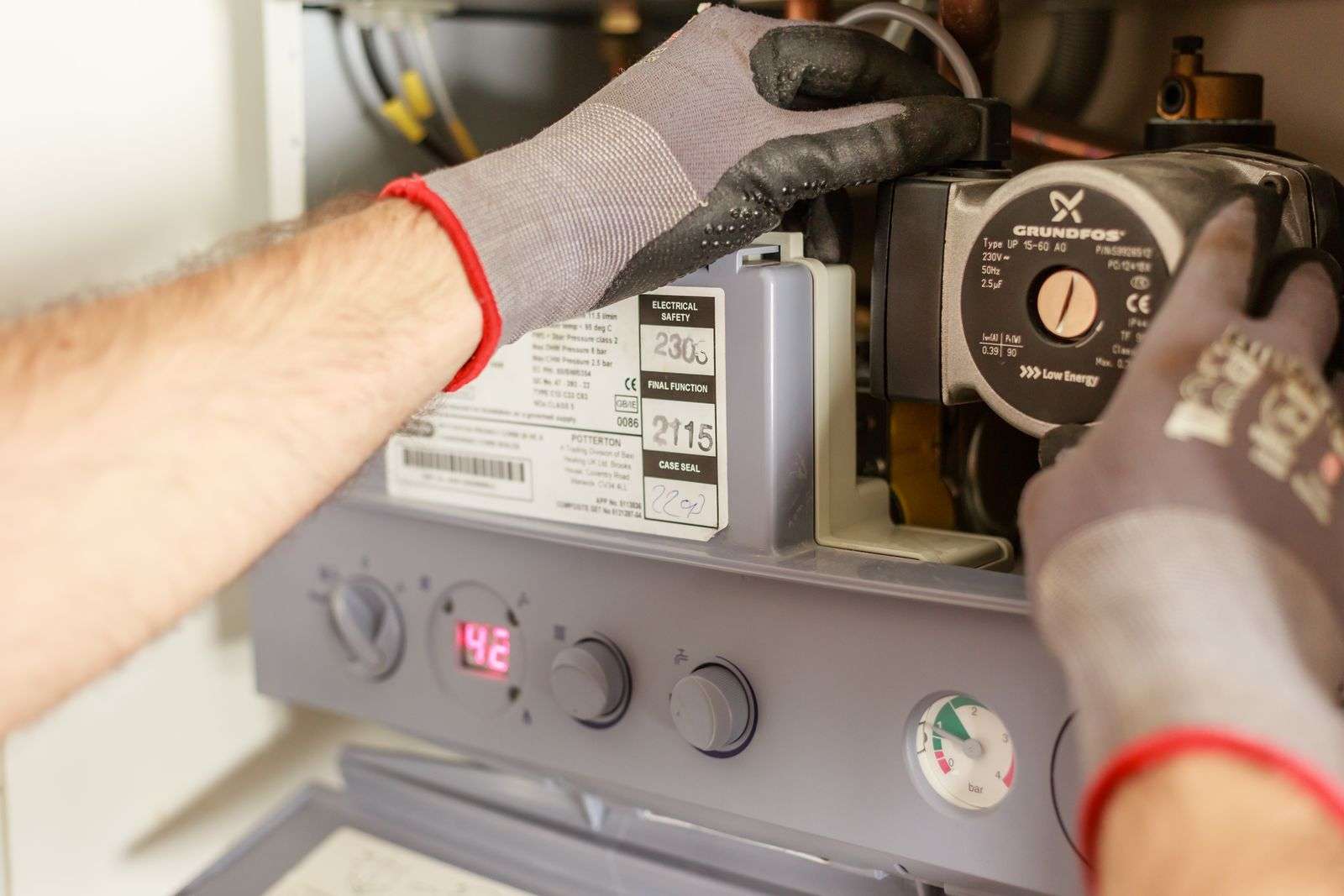
Who pays for repairs in a rented flat in Spain? As a rule, the landlord covers the repairs needed to keep the home habitable, while the tenant pays for the small repairs caused by everyday use and for any damage caused by them or the people living with them. What settles each case is the cause of the fault, not the part that broke.
Sooner or later, every let runs into the question: a roller shutter that won't go up, a leak under the kitchen sink, a water heater that stops heating. For anyone buying to let on the Costa del Sol, where the median asking price is €650,000 according to our monthly price report, being clear on this avoids arguments with the tenant and protects the investment.
What does Spanish law say about repairs in a rented home?
The key rule is Article 21 of the Urban Leases Act (Ley de Arrendamientos Urbanos, LAU). It requires the landlord to carry out all the repairs needed to keep the home habitable, without being able to raise the rent for doing so, unless the deterioration is attributable to the tenant.
The same article makes the tenant responsible for the small repairs required by wear and tear from ordinary use. The Civil Code, in Articles 1563 and 1564, adds that the tenant is liable for deterioration unless they can show it was not their fault, including damage caused by the people who live with them.
What counts as a small repair and what is a necessary repair?
The law sets no amounts. There is no rule under which the tenant pays for anything below a certain cost: what matters is the nature of the repair. These three groups help to place each fault:
- Small repair, paid by the tenant: minor adjustments and replacements from everyday use, such as replacing a roller shutter strap, a dripping washer or a light bulb.
- Necessary repair, paid by the landlord: one that restores something essential or fixes deterioration caused by age, such as a corroded pipe, faulty electrics or a water heater at the end of its useful life.
- Damage caused by the tenant, paid by the tenant: any fault resulting from misuse, a knock or carelessness, however large or expensive the part.
That is why two faults in the same fixture can end up being paid for by different people. A cistern that leaks because the float needs adjusting is an everyday matter; the same cistern with parts cracked by age is upkeep of the property and falls to the owner.
Who pays when the washing machine, the shutters or the pipes break?
The table summarises how the cost of the most common faults is usually split. It is a guide only: when in doubt, the deciding factors are the cause of the problem and how it can be proven.
| Type of fault | The landlord pays when | The tenant pays when |
|---|---|---|
| Pipes and water leaks | The pipe is corroded, worn out by age or badly installed | The blockage or break comes from misuse, such as putting waste down the drain |
| Roller shutters and their mechanisms | The axle, motor or housing fails with age | A worn strap needs replacing or a slat broke when forced |
| Appliances included in the let | They break down through age or reach the end of their useful life | The fault is caused by misuse, such as overloading the washing machine or forcing the oven door |
| Electric water heater or boiler | The heating element, tank or other parts fail through wear | The fault is due to tampering or a knock |
| Taps and cisterns | Parts have deteriorated over the years and need replacing | An adjustment or a new washer is all it takes |
| Air conditioning included in the contract | The unit breaks down through wear or age | The fault comes from misuse or from never cleaning the filters |
What happens if the repair is urgent?
When a fault cannot wait, such as a leak starting to seep into the flat below or a broken lock that means the home cannot be secured, the tenant can arrange the repair without the landlord's permission. They must, however, tell the landlord first, and can then demand immediate reimbursement of what they paid.
Outside emergencies, the tenant must notify the landlord as soon as they spot the problem and allow the landlord, or a technician of the landlord's choosing, to inspect the home. If the tenant says nothing and a small leak turns into major damage, they may be liable for that deterioration.
What if the landlord does not carry out the repair?
It depends on when the lease was signed. For leases signed from 8 October 2026, Royal Decree-Law 29/2026 adds a new procedure to Article 21 of the LAU: if a defect affects the home's habitability, safety or health, or another necessary repair is needed, the tenant can request it in writing with a reasonable quote. The landlord then has 15 calendar days to accept the quote, propose a different repair or carry it out themselves.
If the landlord does not reply within that time or refuses without good reason, the tenant can have the work done and deduct the cost from future rent, provided the amount is reasonable and documented. For landlords, the practical takeaway is to always reply in writing and on time. The decree already applies, but it still has to be ratified by the Standing Committee of Congress (Diputación Permanente).
In earlier leases, the tenant should not stop paying rent or deduct the cost of the repair on their own initiative: non-payment is grounds for eviction, and the landlord's failure to repair rarely justifies it. Under any lease, the tenant can complain in writing, for example by burofax (a certified letter), go to court to force the repair or, if the landlord still fails to act, terminate the contract, as provided for in Article 27 of the LAU.
Conversely, if a repair cannot wait until the end of the contract, the tenant must allow it even if it is disruptive. If the work lasts more than 20 days, the rent is reduced in proportion to the part of the home they cannot use.
Can the contract make the tenant pay for all repairs?
In a lease of a primary residence, no. Article 6 of the LAU makes void any clause that leaves the tenant worse off than the law provides, unless the law expressly allows it, and the duty to keep the home in good repair is not one of those exceptions. A clause stating that “all faults shall be borne by the tenant” has no effect, even if the tenant signed it.
What does help is for the contract to spell out what the law leaves open: which appliances and systems come with the home, how faults are to be reported and how quickly they will be dealt with.
Do the rules change for seasonal or holiday lets?
Yes, and on the Costa del Sol the difference matters. Seasonal lets signed from 8 October 2026, such as a few months' stay for study or work, are temporary residential leases: the contract must state a genuine reason why the tenant is temporarily away from home, and without one it is treated as a primary residence, with all its protections.
In these leases, the landlord is always responsible for keeping the home in good repair and also for small repairs from ordinary use. If the tenant reports a fault and the landlord does not respond within five working days, the tenant can carry out the repair and claim the cost straight away or, after providing proof, deduct it from the following month's rent.
Seasonal contracts signed before 8 October keep their previous rules until the agreed term ends: they are governed first by whatever the parties agree, so the split of repair costs can be adjusted in the contract, although if the tenant actually lives there permanently, the courts may treat it as a primary residence. If they are renewed, the new rules apply.
Holiday lets fall outside the LAU. Tourist rental properties have their own regulations in Andalusia, and damage caused by a guest is dealt with through the security deposit, insurance and the booking platform's terms.
How can landlords avoid disputes over repairs?
Most disputes over repairs are settled with evidence, not opinions. Anyone buying to let in Malaga, Marbella or Estepona can save themselves a lot of trouble with a few simple routines:
- Sign an inventory with dated photos of the condition of the home and of each appliance when handing over the keys.
- Keep the invoices and purchase dates for all appliances: age is the strongest argument when something stops working.
- Ask the technician to put the cause of the fault in writing, not just the cost of the repair.
- Review the home insurance: many landlord policies cover water damage and third-party liability, and some include appliance repairs.
- Factor in the climate: near the sea, humidity and salt air wear out outdoor air-conditioning units, metal fittings and shutters faster, and regular maintenance costs less than replacement.
What happens to the deposit at the end of the lease?
When the lease ends, the landlord can deduct from the deposit the cost of damage caused by the tenant, but not normal wear and tear, such as slightly faded paintwork or the expected marks on the floor. The deposit must be returned within one month of the keys being handed back; if it is late, the outstanding amount accrues statutory interest.
For leases signed from 8 October 2026, the parties must also record the condition of the home in writing when the keys are handed back, in an end-of-lease document signed by both. If none is signed, or it lists no defects, the home is presumed, unless proven otherwise, to have been returned in good condition, which makes it much harder for the landlord to deduct damage from the deposit. So it is worth inspecting the home together with the tenant on handover day and noting any damage in that document.
What should you remember if you let property on the Costa del Sol?
The underlying rule is simple: the landlord keeps the home habitable, and the tenant looks after what they use and pays for what they break. In the grey area between the two, a thorough inventory, the invoices and a technician's report carry more weight than any clause.
At EVS PROPERTY GROUP we support buyers purchasing to let in Fuengirola, Mijas and across the Costa del Sol: we help you choose a home with its systems in good condition and work out a realistic yield, with maintenance built into the numbers.
This article is for general information only and is not a substitute for a lawyer’s advice on your specific lease.
Frequently asked questions
Who pays if the washing machine in a rented flat breaks down?
If the washing machine came with the home and breaks down through age or normal wear, repairing or replacing it is the landlord's responsibility. If the fault is due to misuse, the tenant pays, just as they would if the machine were their own.
Is there an amount above which the landlord pays?
No. The law sets no amount. Who pays depends on whether it is a small fix caused by everyday use, a repair needed to keep the home habitable or damage caused by the tenant.
Can the tenant fix a fault and deduct it from the rent?
In leases signed from 8 October 2026, yes, provided the tenant first requests the repair in writing with a reasonable quote and the landlord does not reply within 15 calendar days or refuses without good reason. In earlier leases, the tenant can only pay upfront for urgent repairs, after notifying the landlord, and then claim the amount back; deducting it from the rent unilaterally is risky, because the landlord could treat it as non-payment.
Who pays for a fault in the building's shared pipes?
The community of owners (comunidad de propietarios), because the pipes are a communal element, like the main downpipe or the façade. If the leak has damaged the inside of the home, the owner should report it to the community and, where relevant, to their home insurer.
What next? The most useful thing after reading is to look at the real market: browse properties by city or tell us on WhatsApp what you are looking for — area, budget, timing — and we will prepare a tailored selection, with no obligation.
You may also find useful: sell your property invest on the Costa del Sol free valuation monthly price report